


Introduction to Dragon Text to Speech
Text-to-speech (TTS) technology has transformed the way humans interact with computers, enabling machines to convert written text into lifelike, expressive audio. From accessibility tools to virtual assistants, TTS is now a staple in software engineering and content creation. Enter the world of dragon text to speech—a specialized niche where synthetic voices are crafted to sound like mythical dragons, offering deep, resonant, and otherworldly tones. In 2025, the demand for such voices is surging, especially in gaming, storytelling, and roleplay communities. Whether you're a developer building immersive fantasy games, a streamer seeking unique overlays, or a creator producing podcasts with mythical flair, dragon text to speech unlocks endless creative possibilities.
What is Dragon Text to Speech?
Dragon text to speech refers to advanced TTS systems designed to emulate the powerful, ancient, and often intimidating voices associated with dragons from fantasy lore. Unlike standard TTS, these systems focus on producing deep, booming, and textured vocal qualities, often enhanced with effects such as reverb or echo. Dragon TTS is especially popular in:
- Fantasy games: NPC dialogue, boss encounters, and world-building narration.
- DnD and tabletop RPGs: Bringing draconic characters and monsters to life.
- Podcasts and audio dramas: Adding mythical gravitas to storytelling.
- Online entertainment: VTubers, streamers, and content creators seeking distinctive branding.
Online communities dedicated to roleplay, gaming, and fantasy content have fueled the rise of dragon text to speech. Forums, Discord servers, and developer networks share tips, TTS models, and scripts to create the most authentic draconic performances. As AI voice generators become more accessible, the adoption of dragon TTS continues to grow in 2025. For developers looking to add real-time voice features to their projects, integrating a Voice SDK can provide seamless audio experiences alongside mythical voices.
Key Features of Dragon Text to Speech Tools
Dragon text to speech tools stand apart from typical TTS platforms by offering:
- Custom Voice Creation: Developers can design unique dragon voices by adjusting timbre, pitch, and cadence. Some platforms even allow for voice cloning and fine-grained parameter tweaking.
- Deep, Booming, or Ancient Tones: Prebuilt voice models or custom settings generate the signature low, rumbling qualities associated with legendary dragons.
- Emotional and Expressive Capabilities: Advanced TTS supports emotional inflection—anger, wisdom, menace, or awe—making dragon voices more believable.
- Multilingual and Style Support: Some dragon TTS tools support multiple languages or can blend in constructed languages like Draconic for DnD, adding authenticity to fantasy settings.
- Integration Options: APIs and SDKs allow developers to embed dragon TTS in games, streaming overlays, video editors, or mobile apps for seamless workflow integration. For example, you can embed video calling sdk to add interactive audio and video features to your fantasy applications.
These features empower developers, streamers, and storytellers to create immersive, memorable experiences with mythical voiceovers.
How to Create a Dragon Voice with AI TTS
Choosing the Right Dragon TTS Platform
Selecting the best dragon text to speech solution depends on your needs—quality, customization, integration, and budget. Here's a quick comparison of leading platforms in 2025:
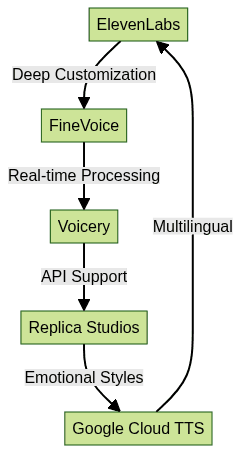
- ElevenLabs: Renowned for deep AI voice modeling and custom voice cloning.
- FineVoice: Real-time voice effects and easy-to-use interface.
- Voicery: High-quality, scalable TTS for large applications.
- Replica Studios: Focus on emotional delivery and character voices.
- Google Cloud TTS: Broad language support and robust APIs.
If you want to add live communication to your fantasy games or storytelling platforms, consider using a Video Calling API for seamless integration of voice and video features.
Adjusting Voice Settings for a Dragon Effect
To achieve a genuine dragon text to speech output, tuning the following parameters is key:
- Pitch: Lowered to emphasize the dragon's deep, rumbling presence.
- Tone: Adjusted for harshness or warmth, depending on character.
- Echo/Reverb: Adds spatial depth, making the voice sound cavernous or ancient.
Many TTS engines, such as those supporting SSML (Speech Synthesis Markup Language), allow direct control over these settings. Example SSML snippet for a dragon effect:
1<speak>
2  <voice name=\"en-US-Wavenet-D\">
3    <prosody pitch=\"-8st\" rate=\"85%\" volume=\"loud\">
4      <amazon:effect name=\"drc\"/>
5      <emphasis level=\"strong\">You dare enter my domain, mortal?</emphasis>
6    </prosody>
7    <break time=\"400ms\"/>
8    <prosody pitch=\"-10st\" rate=\"75%\">
9      <emphasis level=\"moderate\">Prepare to face the wrath of the ancient flame.</emphasis>
10    </prosody>
11  </voice>
12</speak>
Tips for realism:
- Layer subtle background growls or wind effects.
- Use pauses and pacing to convey wisdom or menace.
- Experiment with phoneme emphasis for hisses or rumbles.
For developers working with web applications, a javascript video and audio calling sdk can help you add interactive features that complement your dragon TTS outputs.
Example: Crafting a Dragon Voice Step-by-Step
- Sample Input: "Behold, the fires of my ancestors burn within me."
- TTS Platform: ElevenLabs or Replica Studios
- Settings: Pitch -10st, Rate 80%, Reverb effect enabled
- Output: A deep, echoing, and emotionally charged dragon statement
- Audio Demo: For best results, test various TTS outputs and layer in environmental sound effects using an audio editor like Audacity.
If you’re building mobile fantasy experiences, integrating a react native video and audio calling sdk can enable real-time communication between players and characters, enhancing immersion.
Applications of Dragon Text to Speech
For Games & Roleplay
Dragon text to speech is revolutionizing character dialogue for fantasy and RPG games. Developers can generate dynamic boss monologues, DnD game masters can bring ancient dragons to life, and online roleplay groups use TTS for spontaneous draconic conversations. The flexibility of AI TTS saves voice actor costs and opens up rapid prototyping for indie studios. To further enhance in-game communication, consider integrating a Voice SDK for real-time, high-quality audio interactions.
For Storytelling & Podcasts
Podcasters and audio drama creators use dragon text to speech to add mythical gravitas to narration and character voices. Whether it's the wise elder dragon or the menacing villain, TTS enables consistent, high-quality performances that elevate immersive storytelling. Voice modulation and multilingual support allow for seamless narration across different fantasy settings. For collaborative storytelling or live podcast sessions, a Voice SDK can facilitate interactive audio rooms for your audience.
For Content Creation & Streaming
Streamers and content creators leverage dragon text to speech for branded overlays, donation alerts, and interactive audience engagement. A custom dragon TTS alert can make streams stand out, while VTube avatars with dragon voices attract fantasy fans. Integration with OBS, Discord bots, or Twitch extensions is straightforward using modern TTS APIs. To make your streams even more interactive, try adding a Voice SDK for live audience participation and engagement.
Tips for Making Your Dragon TTS Sound Authentic
- Voice Actor Inspiration: Study performances from fantasy films and games (e.g., Smaug from The Hobbit) to inform your tone and delivery.
- Emotional Cues and Effects: Adjust SSML for anger, wisdom, or sarcasm. Layer subtle effects (growls, reverb) for immersion.
- Combining Languages: Some TTS engines allow you to blend English with Draconic, Elvish, or even constructed Proto Draconic, adding depth to your dragon's lore.
- Phoneme Tuning: Fine-tune sibilance and throatiness for signature dragon hisses or guttural roars.
- Environmental Audio: Add wind, fire crackle, or echo tails in post-production to situate your dragon in its lair.
Limitations and Considerations
- Accuracy vs. Entertainment: Not all TTS engines can perfectly mimic mythical tones—sometimes, stylization is more important than realism.
- Licensing and Usage Rights: Always review the licensing terms of commercial TTS platforms, especially for monetized content or public distribution.
- Accessibility: While dragon TTS is impressive, ensure your content remains accessible for all audiences. Provide transcripts or alternative audio as needed.
Future Trends in Dragon Text to Speech
The next wave of dragon text to speech tools will focus on:
- AI-Driven Customization: User-trained models for highly unique voices.
- Real-Time Synthesis: Near-instant generation for live streaming and gaming.
- Expanded Language Support: Including more fantasy and constructed languages.
With advancements in deep learning and voice synthesis, developers can expect even more control and creativity in 2025 and beyond.
Conclusion
Dragon text to speech unlocks mythical storytelling potential for developers, gamers, and creators. Experiment with AI TTS tools, tweak your dragon voice, and bring your fantasy worlds to life! If you’re ready to start building your own fantasy voice experiences, Try it for free and unleash your creativity today.
Free $20 Balance for AI Voice Agents & Video Calls
FAQ