


Why Consider Twilio Conversational AI Alternatives?
For product leaders, CTOs, and operations teams, Twilio is a well-known force in communication technology, integrating messaging, voice, and video into business applications. Yet, as we look ahead to 2026, many organizations are actively searching for Twilio conversational AI alternatives to address high costs, limited customization, and integration friction with legacy systems. The need for more agile, tailored solutions is driving this shift.
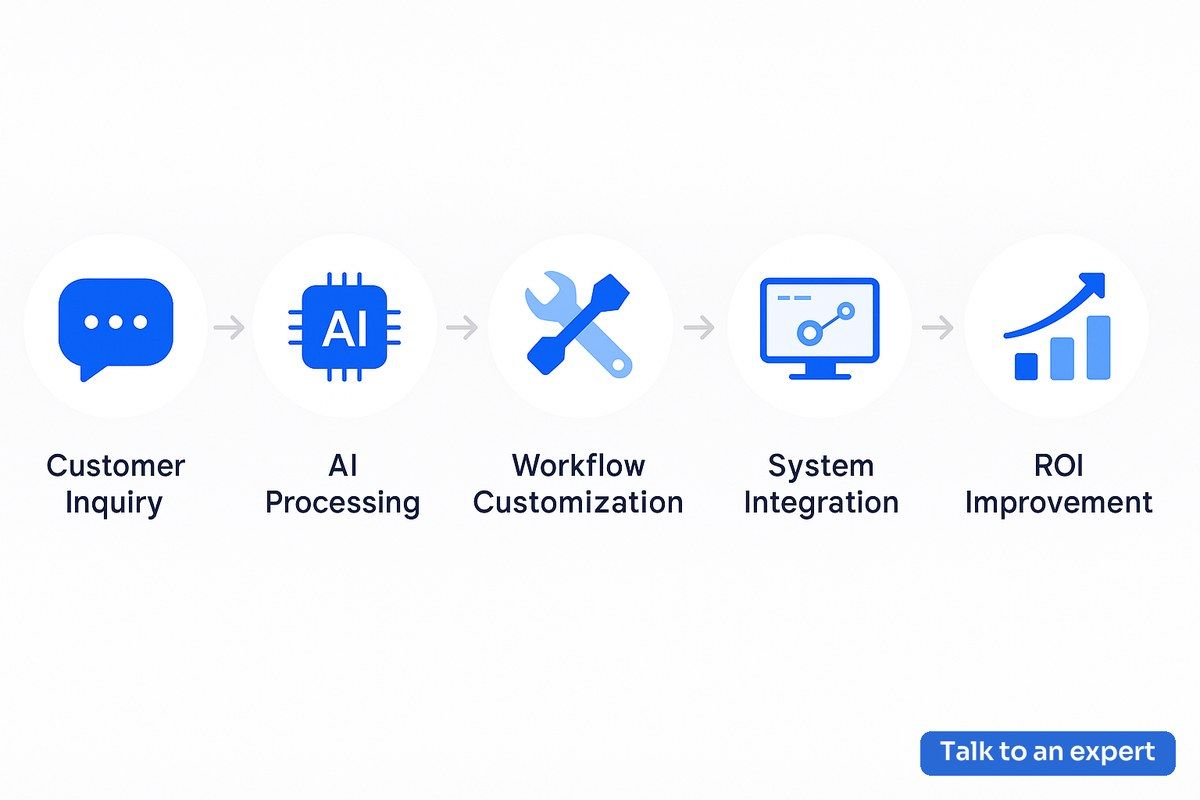
Choosing the right alternative can help businesses achieve greater customization, cost savings, and seamless integration with their existing workflows. These benefits translate directly into improved customer engagement, operational efficiency, and a stronger return on investment (ROI). For teams evaluating their options, the best Twilio conversational AI alternatives combine flexibility, scalability, and robust AI capabilities to meet modern enterprise demands.
In summary, the best Twilio conversational AI alternatives offer businesses more control over their customer experience, better integration with current systems, and often a more attractive pricing model. This makes them a strategic choice for organizations aiming to future-proof their communication infrastructure.
What Are the Best Alternatives to Twilio Conversational AI?
If you are seeking alternatives to Twilio, several standout platforms are worth considering: Athena, Chirrp, Persona, DittoCom, and Clerk Chat. Each delivers unique strengths, from advanced AI-powered analytics to deep CRM integration and sales automation. For organizations with complex requirements, building a custom solution with VideoSDK Agents is also a compelling option.
What is Twilio's Conversational AI?
Twilio's conversational AI is a core component of its cloud communications platform, designed to automate and streamline interactions via messaging, voice, and video channels. It allows businesses to deploy chatbots, voice agents, and automated workflows at scale, supporting omnichannel engagement. However, Twilio's platform can present challenges around customization, integration with legacy systems, and managing costs as usage grows.
Twilio's conversational AI is widely adopted for its reliability and scalability, but organizations with unique workflows or industry-specific needs may find its out-of-the-box features limiting. As conversational AI becomes central to customer engagement strategies, the demand for more adaptable, deeply integrated solutions continues to rise. For a deeper dive into conversational AI trends, see Google Cloud Research and Gartner's AI market analysis.
Key Features and Capabilities
Twilio's conversational AI platform offers:
- Omnichannel Communication: Unified messaging, voice, and video across multiple platforms, supporting seamless customer journeys.
- Scalability: Efficiently manages high volumes of interactions, making it suitable for enterprises with large customer bases.
- Automation: AI-driven chatbots and workflows automate routine tasks, reducing manual effort and response times.
- APIs and SDKs: Developer-friendly tools for integrating Twilio with custom applications and third-party systems.
Despite these strengths, organizations often seek alternatives to Twilio for greater flexibility, cost control, and more granular customization. In practice, twilio conversational ai alternatives works best when integrated with existing CRM, telephony, and support tools.
Pros and Cons
Pros
- Comprehensive Platform: Integrates messaging, voice, and video for true omnichannel engagement.
- Enterprise Scalability: Handles millions of interactions with high reliability.
- Robust Developer Tools: Extensive APIs and documentation for custom integrations.
Cons
- High Costs: Usage-based pricing can escalate quickly, impacting budgets for high-volume use cases.
- Limited Customization: Predefined workflows and templates may not fit specialized business needs.
- Integration Complexity: Connecting with legacy or proprietary systems can require significant development effort.
Top Alternatives
Athena: AI-Powered Efficiency Across All Channels
Athena is designed to optimize communications across voice, text, and social media by leveraging advanced AI and real-time analytics. Its platform empowers businesses to personalize customer interactions, adapt strategies dynamically, and gain actionable insights from every conversation. Athena's real-time analytics are especially valuable in industries like retail and hospitality, where customer preferences evolve rapidly and immediate feedback is crucial.
Athena's AI-driven approach helps businesses reduce operational bottlenecks, increase customer satisfaction, and respond proactively to shifting market trends. Its flexible integration options make it a strong contender for organizations seeking a data-centric alternative to Twilio.
Chirrp: Instant Engagement with Natural Conversation AI
Chirrp excels in natural language processing (NLP), enabling chatbots and voice agents to engage customers in human-like conversations. Its seamless CRM integration ensures that every interaction is informed by customer history, supporting highly personalized responses. Businesses using Chirrp report measurable improvements in customer satisfaction and reduced churn rates.
Chirrp's NLP capabilities make it ideal for sectors like finance and healthcare, where conversations often require nuance and context. The platform's ability to handle complex queries and integrate with existing systems ensures a smooth transition for teams upgrading from Twilio or similar solutions.
Persona: Personalized AI Conversations for Sales
Persona focuses on automating sales processes with AI tailored to each step of the customer journey. By integrating with sales workflows, Persona enables businesses to increase conversion rates, automate lead qualification, and deliver timely follow-ups. Its customization options help sales teams prioritize high-value prospects and drive revenue growth.
Persona is particularly effective for organizations with complex sales cycles or high-touch customer engagement models. Its automation features free up sales teams to focus on strategic activities, while ensuring prospects receive relevant, timely communications.
DittoCom: Transformative GPT-Powered Chatbots
DittoCom leverages GPT technology to deliver advanced conversational experiences, closely mimicking human dialogue. Its chatbots are well-suited for industries such as finance, tech support, and e-commerce, where accuracy and reliability are paramount. DittoCom's AI delivers consistent, context-aware responses, building customer trust and reducing the need for human intervention. For organizations exploring twilio conversational ai alternatives, the priority is measurable ROI and practical deployment.
With DittoCom, businesses can automate complex support scenarios, accelerate resolution times, and maintain high standards of customer service. Its GPT-powered approach ensures that even intricate queries receive accurate, helpful answers.
Clerk Chat: Comprehensive Interaction Management
Clerk Chat provides a unified suite for managing customer interactions across channels, with strong integration and customization capabilities. Its tools support both inbound and outbound communications, making it adaptable for businesses of all sizes. Clerk Chat's flexible integration options allow organizations to fit the platform into existing workflows, minimizing disruption and maximizing ROI.
Clerk Chat is especially valuable for companies seeking to modernize their customer engagement without overhauling their entire tech stack. Its comprehensive features and easy integration make it a practical alternative to Twilio.
Comparison Table
| Feature | Twilio | Athena | Chirrp | Persona | DittoCom | Clerk Chat |
|---|---|---|---|---|---|---|
| Omnichannel | Yes | Yes | Yes | Yes | Yes | Yes |
| AI-Powered | Yes | Yes | Yes | Yes | Yes | Yes |
| Customization | Limited | High | High | High | High | High |
| Cost-Effective | No | Yes | Yes | Yes | Yes | Yes |
| Real-Time Analytics | Limited | Advanced | Moderate | Moderate | Advanced | Moderate |
| CRM Integration | Moderate | High | Advanced | Advanced | Moderate | High |
| GPT Technology | No | No | No | No | Yes | No |
| Sales Automation | No | Moderate | Moderate | Advanced | Moderate | Moderate |
When to Choose Twilio vs Building with VideoSDK
The decision between Twilio and building with VideoSDK depends on your organization's priorities. Twilio is best suited for businesses that need a comprehensive, ready-to-use platform with proven scalability and reliability. It is ideal for companies with straightforward communication needs and limited requirements for deep customization.
On the other hand, VideoSDK is designed for teams that want to build tailored communication solutions. With VideoSDK, you can create custom AI agents, integrate with proprietary systems, and adapt your workflows to unique business processes. This approach is especially valuable for companies in regulated industries, those with complex customer journeys, or organizations seeking to differentiate through innovation. Leaders evaluating twilio conversational ai alternatives often start with one high-volume workflow before scaling further.
For example, a fintech startup needing to integrate conversational AI into a proprietary mobile app would benefit from VideoSDK's flexible APIs and rapid development tools. Meanwhile, a large enterprise with standardized communication needs might prefer Twilio's out-of-the-box reliability. For further analysis, see OpenAI Research on conversational AI customization and Microsoft Research on enterprise AI integration.
Implementation Considerations for Teams Building Voice AI
Implementing conversational AI requires careful evaluation of company size, industry, and specific use cases. Teams should weigh the total cost of ownership, including licensing, development, and ongoing support, against the anticipated benefits. Integration with existing systems is critical, as is the ability to scale as business needs evolve. For detailed deployment strategies, refer to the AI voice Agent deployment guide.
Stakeholder involvement is essential for successful adoption. Engage representatives from IT, customer service, and business units early to ensure alignment with organizational goals. Training and support resources are vital to maximize adoption and minimize disruption.
Additionally, consider the long-term scalability and adaptability of your chosen platform. As your business grows, your communication needs will evolve, and your AI solution should be able to scale accordingly. Regularly review your AI strategy to ensure it continues to deliver value and aligns with customer expectations. For industry benchmarks, see McKinsey's insights on AI adoption.
Leveraging VideoSDK for Custom AI Solutions
VideoSDK empowers businesses to build custom AI solutions that are precisely aligned with their operational requirements. Its platform offers seamless integration, robust scalability, and the adaptability needed for modern enterprises. By leveraging VideoSDK, organizations can create scalable applications that drive customer engagement, streamline operations, and support rapid innovation.
Developers benefit from VideoSDK's comprehensive API, detailed documentation, and active community support. This accelerates the development of sophisticated conversational AI agents and enables businesses to respond quickly to changing market demands. VideoSDK's commitment to continuous improvement ensures that clients always have access to the latest advancements in AI technology.
For teams looking to differentiate their customer experience or address unique industry challenges, VideoSDK provides the flexibility and power to build solutions that stand out. Its platform is trusted by leading enterprises seeking to maximize ROI and future-proof their communication infrastructure.
Conclusion: Embrace the Future of Conversational AI
Exploring Twilio conversational AI alternatives unlocks new opportunities for customer engagement and operational excellence. Platforms like VideoSDK, Athena, Chirrp, Persona, DittoCom, and Clerk Chat offer innovative features, deeper customization, and better integration, empowering businesses to transform their communication strategies for 2026 and beyond.
By carefully assessing your organization's needs and aligning your platform choice with strategic objectives, you can harness the full potential of conversational AI. The right alternative not only enhances customer interactions but also drives sustainable growth and competitive advantage. As the conversational AI landscape evolves, embracing flexible, future-ready solutions will position your business for long-term success.
Step-by-Step AI Voice Agent Quickstart
FAQ